• Starting out, I have a disclaimer: I am a HUGE fan of the Original “Evil Dead”. I remember watching it with friends (on VHS), in a tiny trailer in Maine while the winter wind howled outside and being creeped out of my skin by those white eyed demons. Of course, I was probably more than a little stoned and/or drunk, but that just added to the nightmare.

    Now,  let’s chat about Evil Dead Rise. Yeah, that’s right, they brought back the Deadites, but this time, they ditched the cabin in the woods for… an apartment building in LA. Talk about an upgrade, right?

    So, picture this: two sisters, Beth and Ellie, who aren’t exactly BFFs, are trying to reconnect. Then, BAM! Earthquake. And wouldn’t you know it, Danny, Ellie’s kid, stumbles upon the Naturom Demonto (aka the evil book) and some vinyl records. Because, you know, why not? Big mistake. Huge.

    Cue the demonic mayhem. Ellie gets possessed, and it’s up to Beth to protect her nieces and nephews from turning into Deadite snacks. It’s a classic *Evil Dead* setup, but with a fresh coat of urban decay.

    Now, let’s get real about the production. This movie came out during the whole pandemic craziness, which meant they had to get creative. Like, the music? They recorded it in separate sessions, which is wild. But they still managed to nail that classic *Evil Dead* sound, which is pretty impressive.

    And the sound design? Forget about it. They went all out. Peter Albrechtsen and his team cooked up some seriously creepy vocal effects for the possessed characters. Like, Bridget’s voice? They layered her regular voice with high and low pitches, just like they did back in the OG films. It’s that kind of attention to detail that makes this movie so damn good.

    But let’s be honest, we’re here for the gore, right? And *Evil Dead Rise* delivers. Big time. Lee Cronin and Bruce Campbell (yes, *that* Bruce Campbell) were like, “Let’s crank up the violence to eleven.” And boy, did they. The scalping scene? The wine glass eating scene? Yeah, those took some serious work. But they nailed that perfect balance of “OMG, that’s gross!” and “Hell yeah!”

    Now, some fun facts for my fellow horror nerds:

    * The Naturom Demonto? It’s the same book from the 2013 remake. So, yeah, they’re tying it all together.

    * The Marauder? That multi-limbed monstrosity at the end? Pure nightmare fuel.

    * They threw in some nods to other horror classics, like *The Shining* and *The Texas Chainsaw Massacre*. Because why not?

    * The score? It’s Atmos-enabled, which means the music swirls around you in the theater. It’s like being trapped in a Deadite mosh pit.

    * And yeah, no Ash this time. It’s all about new characters facing the Deadite apocalypse.

    Honestly, Evil Dead Rise is a blast. It’s got that classic *Evil Dead* feel, but with a modern twist. It’s gory, it’s funny, and it’s genuinely terrifying. If you’re a fan of the franchise, or just a horror junkie in general, you need to see this movie. It’s a wild ride from start to finish. They really did this franchise justice.

    #horror

    #evildead
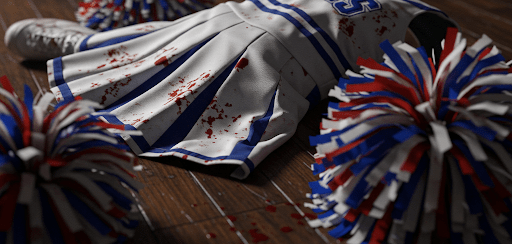
  • Welcome hack, gorehounds and horror collectors, let’s talk about a slice of early 2000s direct-to-video cheese that’s practically vanished from the streaming landscape: Cheerleader Massacre. This 2003 gem, directed by the legendary Jim Wynorski, is a low-budget slasher that embraces every trope in the book, and then some.

    Now, if you’re looking for sophisticated storytelling and Oscar-worthy performances, you’ve come to the wrong place. Cheerleader Massacre is all about the basics: a group of cheerleaders, a remote cabin, and a killer on the loose. It’s a formula that’s been done a million times, but Wynorski and his crew manage to inject it with a healthy dose of B-movie absurdity.

    The plot’s simple: a group of cheerleaders and their coach head to a secluded cabin, only to find themselves stalked by an escaped mental patient named Jeremiah MacPherson. But here’s the twist: the real killer isn’t MacPherson, but one of the cheerleaders, seeking revenge for a past tragedy. It’s a classic slasher setup, but with a fun little twist that keeps you guessing (sort of).

    What makes this movie a true VHS-era relic is its sheer low-budget charm. We’re talking a $60,000 budget, recycled footage from Humanoids from the Deep, and a cast that looks like they’re well past their high school years. It’s the kind of movie where the weather changes from summer to winter and back again within the same scene, and where the credits have a spelling error in the copyright warning. It’s gloriously, hilariously bad.

    And let’s not forget the gratuitous nudity, which starts within the first minute. This is a movie that knows its audience and isn’t afraid to give them what they want. It’s exploitation cinema at its finest.

    Here are some of the finer points of this VHS oddity:

    • Sequel Shenanigans: A sequel, Cheerleader Massacre 2, exists, but the connection is tenuous at best. It’s more like a spiritual successor in name only.
    • Budgetary Brilliance: $60,000? That’s practically pocket change in the film world. But Wynorski and his team managed to squeeze every drop of entertainment out of it.
    • Recycled Realness: Using footage from Humanoids from the Deep? That’s the kind of cost-cutting measure that makes B-movies so endearing.
    • Seasonal Slip-Ups: The weather inconsistencies are a classic example of low-budget filmmaking at its finest. It’s a reminder that sometimes, the best unintentional comedy comes from production errors.
    • Age Antics: The actors playing high schoolers are clearly not teenagers. It’s a trope that’s common in the genre, but it’s always good for a laugh.
    • Early Exposure: The film wastes no time getting to the nudity. It’s a testament to its exploitation roots.
    • Cirminal Credits: The spelling error in the credits is a perfect example of the film’s overall lack of polish. It’s a charmingly amateurish touch.

    And here’s the kicker: as of 2025, Cheerleader Massacre is nowhere to be found on major streaming platforms. It’s a true VHS-era relic, a movie that can only be experienced by tracking down a dusty DVD or a well-worn VHS tape. It’s a reminder that some movies are best left to the physical formats, where their imperfections can truly shine.

    So, if you’re a fan of low-budget slashers, a collector of VHS oddities, or just someone who appreciates a good dose of cinematic cheese, Cheerleader Massacre is a must-see. Just be prepared for a wild ride filled with gore, nudity, and unintentional hilarity. It’s a movie that’s so bad, it’s good, and it’s a testament to the enduring appeal of B-movie horror. Happy hunting!

    This entry is an UPGRADE for us: We now have a SPONSOR! Check them out, if you DARE….

  • Greetings, fellow VHS vultures, gather ’round the flickering glow of your CRT screens. Tonight, we’re delving into the depths of cinematic depravity with a true cult classic: Pigs (1973). This ain’t your sanitized, streaming-friendly horror. This is the real deal – a grimy, low-budget slice of 70s exploitation that’ll leave you both horrified and strangely fascinated.

    Now, you might have heard whispers of this film under its various aliases: Daddy’s Deadly Darling, The 13th Pig, even The Strange Exorcism of Lynn Hart (yeah, they tried to ride the Exorcist wave). But no matter what name it goes by, Pigs remains a testament to the raw, unfiltered horror that only VHS can truly deliver.

    The story’s simple, yet utterly twisted. Lynn Webster, an escaped mental patient, finds refuge at a remote diner owned by the enigmatic Zambrini. But Zambrini has a dark secret: he feeds human corpses to his pigs. And as Lynn’s own violent past resurfaces, she starts adding to the pig’s menu, dispatching men who remind her of her abusive father.

    This film is a masterclass in rural unease. It’s got that gritty, down-and-dirty feel that only 70s exploitation can provide. And on VHS? It’s even more visceral. The grainy picture, the washed-out colors, the tracking lines that flicker across the screen – it all adds to the film’s unsettling atmosphere.

    But Pigs isn’t just a gorefest. It’s a psychological descent into madness. Lynn’s trauma, Zambrini’s twisted obsession, and the unsettling relationship between them create a truly disturbing dynamic. And the ending? Let’s just say it’s open to interpretation, but the implication of Lynn becoming the 13th pig is chilling.

    Now, let’s talk about the behind-the-scenes madness, because it’s as wild as the film itself.

    • Bread Limbs: Real meat was too expensive, so they used bread molded into body parts for the pig feeding scenes. Talk about low-budget ingenuity!
    • Family Affair: Director Marc Lawrence cast his own daughter as Lynn, leading to some seriously awkward moments on set. Imagine directing your daughter in those revealing scenes!
    • Title Mania: The film’s numerous re-releases with different titles are a testament to the wild west of 70s distribution. You never knew what you were going to get!
    • The 13th Pig: That ambiguous ending? It’s a metaphor for Lynn’s descent into madness and her consumption by the violence she perpetrates.

    Pigs isn’t for everyone. It’s raw, it’s disturbing, and it’s definitely not politically correct. But for true horror collectors, it’s a must-have. It’s a reminder of a time when horror was raw, unfiltered, and unapologetically weird. And on VHS, it’s a truly unforgettable experience. So, grab your copy, dim the lights, and prepare for a feast of cinematic depravity. Just don’t blame me if you start having nightmares about pigs.

  • Retro gaming crew: let’s rewind the clock 20 years and talk about a Batman game that might have slipped under your radar: Batman: Rise of Sin Tzu. Released in 2003, this beat ’em up was a love letter to the DC Animated Universe, but with a twist – a brand new villain cooked up by none other than Jim Lee himself.

    Now, before we dive into nostalgia, let’s set the stage. Remember 2003? We were deep in the PS2/Xbox/GameCube era, and the DCAU was still fresh in our minds. So, when Rise of Sin Tzu dropped, promising a brawler starring Batman, Robin, Batgirl, and Nightwing, we were hyped.

    The story’s simple: Sin Tzu, a warlord with a serious grudge against Gotham, busts out all the Arkham inmates and basically declares war on the city. It’s up to our heroes to punch, kick, and special-move their way through waves of thugs and iconic villains to stop him.

    What made this game stand out was its focus on pure, unadulterated brawling. No platforming puzzles, no stealth sections – just straight-up action. You could choose your hero, upgrade their abilities, and even team up with a friend in co-op mode. It was a classic arcade experience, right in your living room.

    But let’s get into the good stuff – the trivia that makes this game a true retro gem:

    • DCAU Authenticity: Kevin Conroy, the voice of Batman, was back! And so were other voices from the animated series. That alone gave the game a serious dose of authenticity.
    • Jim Lee’s Villain: Sin Tzu was a completely original creation, designed by comic book legend Jim Lee. That’s a serious pedigree for a video game villain.
    • Multiple Playthroughs: Each playable character had their own unique perspective on the story. That meant you had to play through the game multiple times to get the full picture.
    • Arkham Cameos: Eagle-eyed players could spot the Joker, Harley Quinn, Mr. Freeze, and Poison Ivy in suspended animation during the Arkham Asylum levels. A cool nod to the rogues’ gallery.
    • DCAU Farewell: This game holds the distinction of being the last Batman game directly tied to the DC Animated Universe. A bittersweet moment for fans of the show.
    • The Mixed Reception: Sadly, the game didn’t quite live up to the hype. Repetitive gameplay was a common complaint, and it didn’t achieve the critical acclaim of later Batman titles.

    Look, Batman: Rise of Sin Tzu might not be a masterpiece, but it’s a fascinating piece of Batman gaming history. It’s a reminder of a time when beat ’em ups ruled the arcades, and the DCAU was at its peak. It’s a game that deserves a second look, especially if you’re a fan of classic Batman games. So, dust off your old console, grab a friend, and dive back into the brawling action. You might just rediscover a hidden gem.

    #batman #game #rarevideogame

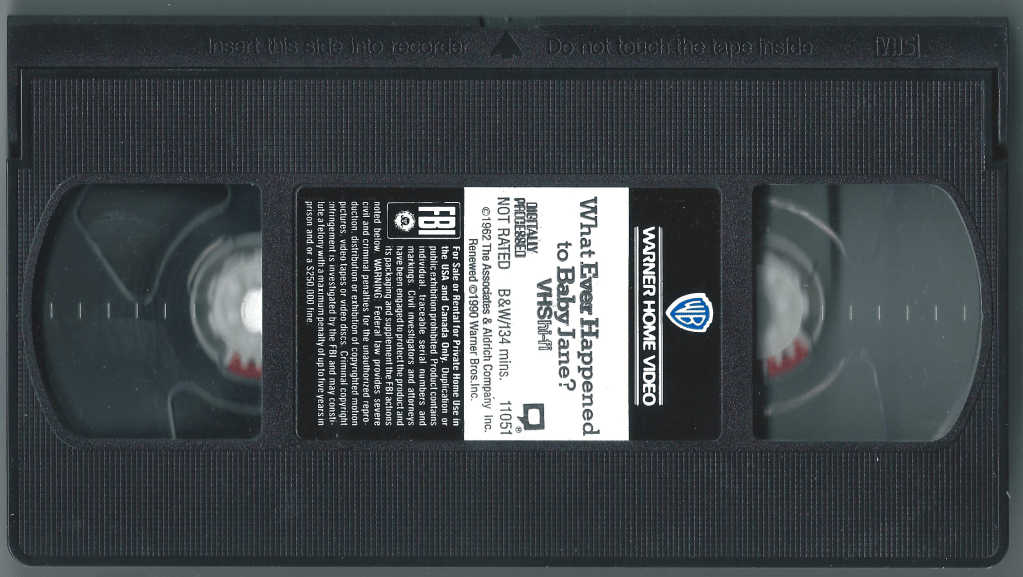
  • Alright, fellow VHS collectors and horror hounds, let’s talk about a tape that deserves a place of honor on any serious collector’s shelf: What Ever Happened to Baby Jane? This 1962 masterpiece isn’t just a movie; it’s a cultural artifact, a testament to the power of old Hollywood, and a chilling reminder of the darkness that can fester within family. And on VHS? It’s a whole other level of creepy.

    Now, you might have seen this film on streaming, or maybe you’ve caught a pristine Blu-ray version. But trust me, nothing beats the experience of watching Baby Jane on a well-worn VHS tape. The grainy picture, the slightly distorted sound, the tracking lines that flicker across the screen – it all adds to the film’s gothic atmosphere, making it feel even more like a forgotten relic from a bygone era.

    For those who don’t know, Baby Jane stars Bette Davis and Joan Crawford as two aging sisters, former child star “Baby Jane” Hudson and her wheelchair-bound sister Blanche. Their real-life rivalry was legendary, and it bleeds into every frame of this film. Jane, now a washed-up has-been, psychologically tortures Blanche, serving her dead parakeets and rats while clinging to the delusions of her past glory. It’s a dark, twisted tale of jealousy, madness, and the destructive power of resentment.

    This movie wasn’t just a hit; it was a phenomenon. It revived both Davis’s and Crawford’s careers, spawned the “psycho-biddy” subgenre (think deranged older women in horror), and even got an X rating in the UK for its “sadistic horror.” It’s a film that pushed boundaries, that dared to show the darker side of Hollywood, and that continues to resonate with audiences today.

    And let’s talk about the behind-the-scenes drama, because it’s as juicy as the film itself. Bette Davis designed Jane’s iconic “broken doll” makeup herself, and that dead parakeet? Real deal. Crawford’s screams? Authentic. And the story about Crawford putting weights in her pockets to make Davis struggle while dragging her? Pure Hollywood gold.

    But beyond the gossip and the camp, Baby Jane is a deeply unsettling film. It explores themes of aging, fame, and the toxic dynamics of sibling rivalry with a psychological sharpness that still feels relevant today. It’s a film that has influenced countless movies and TV shows, from Family Guy to American Horror Story.

    On VHS, Baby Jane takes on a whole new dimension. It’s not just a movie; it’s a piece of history, a reminder of a time when Hollywood was both glamorous and grimy, when rivalries were legendary, and when horror could be both campy and deeply disturbing. So, if you’re a collector of classic horror, a fan of old Hollywood, or just someone who appreciates a good dose of vintage creepiness, grab a copy of Baby Jane on VHS. You won’t regret it. Just be prepared to be haunted by the image of Bette Davis’s painted-on smile and the sound of Joan Crawford’s screams. It’s a cinematic experience you won’t soon forget.

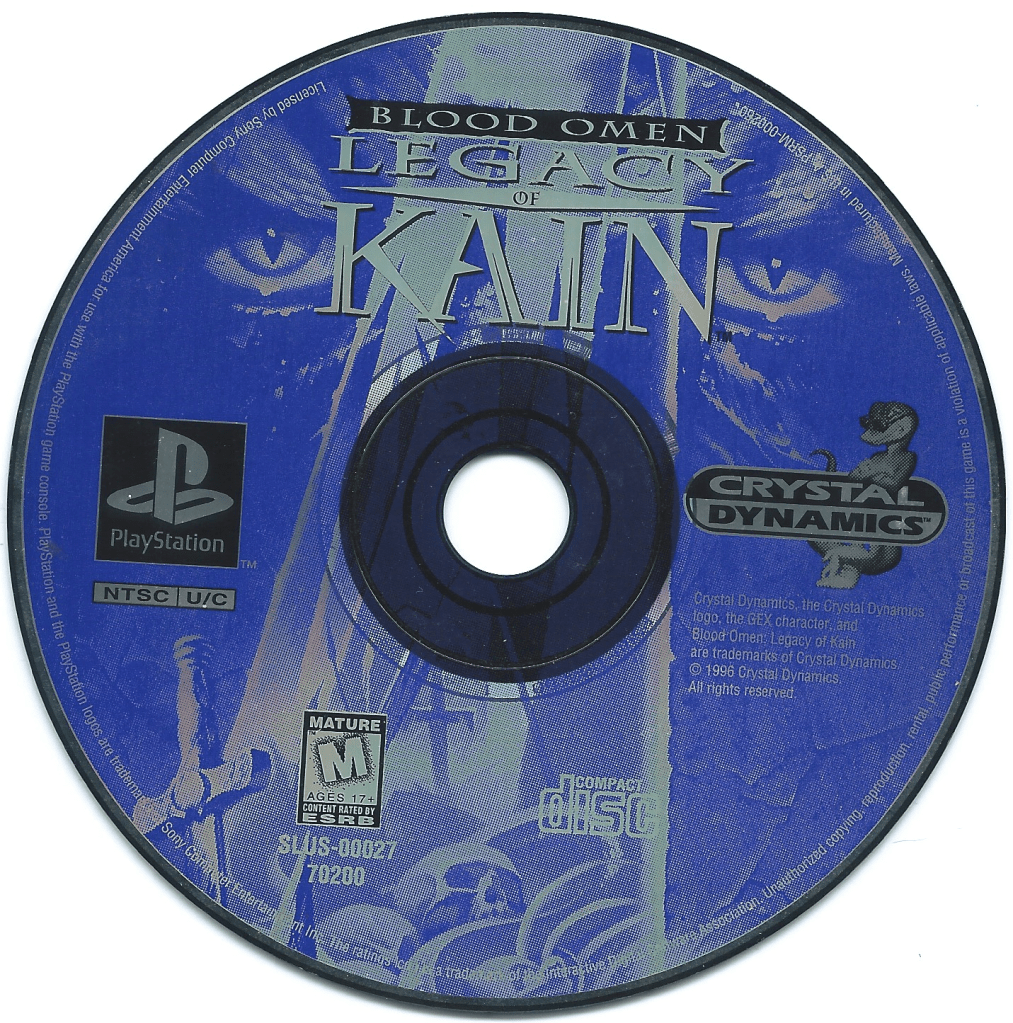
  • Alright, retro gamers, grab your memory cards and dust off that PS1, because we’re taking a trip back to 1996. And not just any trip – we’re heading straight into the gothic, blood-soaked world of Blood Omen: Legacy of Kain. Forget your sunshine and rainbows, this game was dark, deep, and downright groundbreaking.

    When Blood Omen dropped, it wasn’t just another action-adventure game. It was a statement. This wasn’t some cutesy platformer or mindless shooter; this was a mature, philosophical journey into a land of vampires, betrayal, and existential dread. Silicon Knights and Crystal Dynamics crafted something truly special, something that would spawn a legendary franchise.

    Let’s break it down: You play as Kain, a nobleman turned vampire, seeking revenge and a cure for his curse. But things get complicated, as they always do in Nosgoth. You’re dragged into a quest to cleanse the land of corruption, hunting down the Circle of Nine – a bunch of corrupted sorcerers holding up these mystical Pillars. And guess what? You’re the final corrupted Guardian. Talk about a twist!

    The game’s story is a masterclass in moral ambiguity. Do you sacrifice yourself to save Nosgoth, or embrace your vampiric power and rule over the damned? Kain, being the badass he is, chooses the latter, setting the stage for one of gaming’s most epic storylines.

    Gameplay-wise, Blood Omen was ahead of its time. Isometric view, hack-and-slash combat, puzzles, RPG elements – it had it all. And that “drink blood” button? Gruesome, sure, but also insanely cool. Draining blood from your enemies to replenish health? That was a game-changer. Plus, the shapeshifting and magic spells? Come on, it was pure 90s gaming gold.

    Now, let’s get into the nitty-gritty trivia that only true fans will appreciate:

    • Original Title: Did you know it was originally called The Pillars of Nosgoth? That’s some serious lore right there.
    • Development Hell: This game took over three and a half years to make! Silicon Knights doubled their staff, and Crystal Dynamics even sent people over to help. Talk about dedication.
    • Opening Credits Revolution: Silicon Knights made sure everyone knew they were the masterminds behind the story and concept. They put their names right up front, which was a big deal back then.
    • Saturn Secrets: Rumors swirled about a completed Sega Saturn port, but Silicon Knights shut that down. Still, imagine what could have been!
    • Hash’ak’Gik’s Retcon: That mysterious Hash’ak’Gik character? Yeah, his role got a major overhaul in later games. Classic retcon shenanigans!

    Blood Omen wasn’t perfect. The loading times on the PS1 were brutal, but the atmosphere, the story, the sheer ambition of it all more than made up for it. It paved the way for Soul Reaver and the rest of the Legacy of Kain series, which continued to push the boundaries of storytelling in gaming.

    If you’re a retro gamer looking for a deep, dark, and unforgettable experience, fire up Blood Omen. It’s a testament to the power of storytelling in video games and a reminder of just how awesome the PS1 era was. So, embrace the darkness, fellow gamers, and dive into the legacy of Kain!

  • Alright, Bat-fans, let’s talk about the end of an era. Christopher Nolan’s “The Dark Knight Rises” hit theaters back in 2012, and while opinions are still split on whether it topped “The Dark Knight,” one thing’s for sure: it was a massive, ambitious sendoff to his vision of Gotham. And if you’re like me, you NEED to dive into every detail, every behind-the-scenes nugget. That’s where this Blu-ray comes in, folks.

    First off, the movie itself. Eight years after “The Dark Knight,” Bruce Wayne is a broken man, a recluse haunted by the past. Then Bane crashes the party, and Gotham’s plunged into chaos. It’s a sprawling epic, tackling themes of redemption, sacrifice, and the weight of lies. Nolan’s always been about more than just superhero action, and “The Dark Knight Rises” is no exception.

    Now, we all know Nolan’s a master of secrecy and practical effects. Remember the fake tombstone on set? That’s dedication! And the football stadium scene? Thousands of extras, all sweating in the Pittsburgh summer heat to make it look like a fall game. That’s the kind of insane detail that makes these movies so special. And Tom Hardy in those three-inch lifts? Iconic.

    But let’s get down to the real reason we’re here: the Blu-ray special features. This isn’t just your standard “making of” fluff. This is a deep dive into the creation of a modern cinematic legend.

    “Ending the Knight” is the crown jewel. Seventeen featurettes? That’s hours of behind-the-scenes goodness! You’ll see how Nolan and his team pulled off those massive action sequences, how they built those incredible sets, and how they brought those iconic characters to life. It’s like a film school masterclass for Batman fans.

    And then there’s “The Batmobile.” Seriously, this is a must-watch. They brought ALL FIVE Batmobiles together for the first time! If you’re a gearhead or just a fan of Batman’s iconic ride, this documentary is pure gold. It’s a look at the evolution of the Batmobile through the years, a testament to its enduring coolness.

    We also get in depth looks at Bane, Catwoman and the action sequences. For any fan who wants to know how they pulled off that plane drop in the prologue, or how they made Bane feel so imposing, these features are invaluable.

    Look, “The Dark Knight Rises” might not be everyone’s favorite, but it’s an undeniable achievement. And this Blu-ray is the ultimate companion piece for any Batman fan. It’s a chance to go behind the scenes, to see how Nolan and his team crafted this epic conclusion to one of the greatest superhero trilogies of all time. So, grab your cowl, pop in the disc, and prepare to be amazed. You won’t regret it.

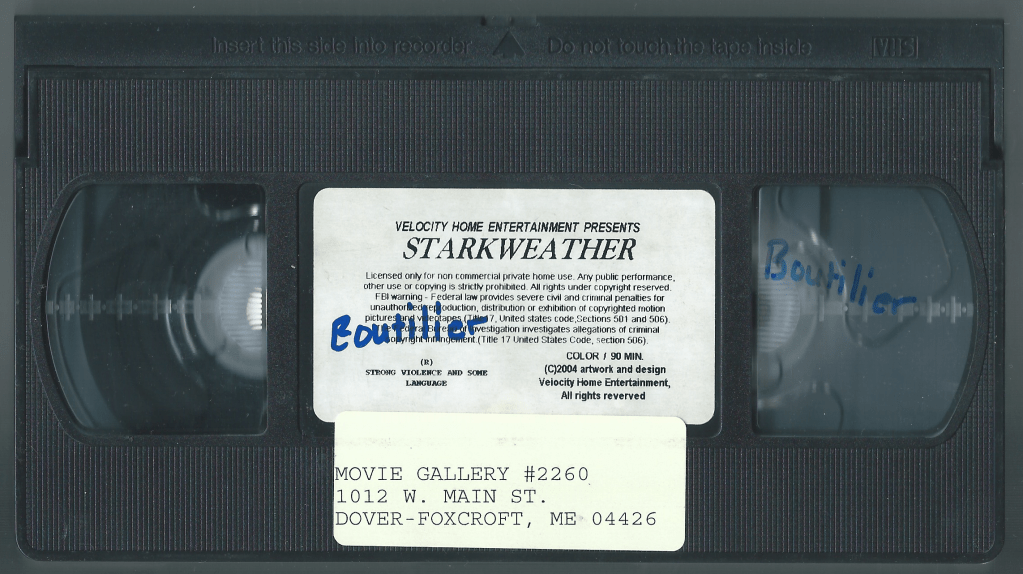
  • Hey there, fellow cult film fanatics and VHS junkies! Today, we’re diving deep into the dusty crates of forgotten horror, unearthing a chilling relic from the early 2000s that seems to have vanished from the face of the earth (or at least, from the pristine shelves of your local Best Buy). I’m talking about Starkweather, a 2004 indie flick that dares to revisit one of America’s most infamous crime sprees.

    Now, you might be thinking, “Starkweather? Isn’t that the story of those teenage killers from the 50s?” You’d be right. This movie chronicles the bloody rampage of Charles Starkweather and Caril Ann Fugate, a young couple who terrorized Nebraska in 1958. But unlike those slick, big-budget true crime dramas you see on Netflix, Starkweather is a gritty, low-budget affair that oozes that distinct early 2000s indie vibe.

    What makes this movie so fascinating is its rawness. It’s not afraid to get down and dirty, showing the brutality of the murders and the psychological torment of its characters. Brent Taylor as Starkweather is chillingly convincing, and Shannon Lucio captures the vulnerability and ambiguity of Caril Ann Fugate. And then there’s Lance Henriksen, lending his iconic voice to a shadowy “mentor” figure who taunts Starkweather throughout the film. It’s a surreal touch that adds a layer of psychological depth to the story.

    But here’s the thing: Starkweather is practically a ghost. Despite getting a VHS/DVD release back in the day, it’s nowhere to be found on Blu-ray, 4K, or any legal streaming service. It’s like Hollywood wants to bury this movie, pretend it never existed. And that, my friends, is what makes it so damn intriguing.

    This is a movie that was meant to be discovered on VHS, with all its grainy glory and tracking issues. It’s a time capsule of early 2000s indie filmmaking, complete with low-budget quirks, continuity errors, and a car chase scene that’s so bad, it’s good.

    But beyond the technical flaws and historical inaccuracies, Starkweather is a disturbing and compelling film. It’s a reminder of the darkness that can lurk within seemingly ordinary people, and the enduring fascination with true crime stories. It’s a movie that will stay with you long after you’ve ejected that dusty VHS tape and returned it to its rightful place on your collector’s shelf.

    So, if you’re a fan of true crime, indie horror, or just the thrill of unearthing forgotten cinematic gems, Starkweather is worth seeking out. It’s a reminder that sometimes the most compelling stories are the ones that are hidden away, waiting to be rediscovered by those who appreciate the beauty of imperfection and the allure of the obscure. Happy hunting, fellow VHS enthusiasts!

    Starkweather Used VHS Tape from a Defunct Rental Business.

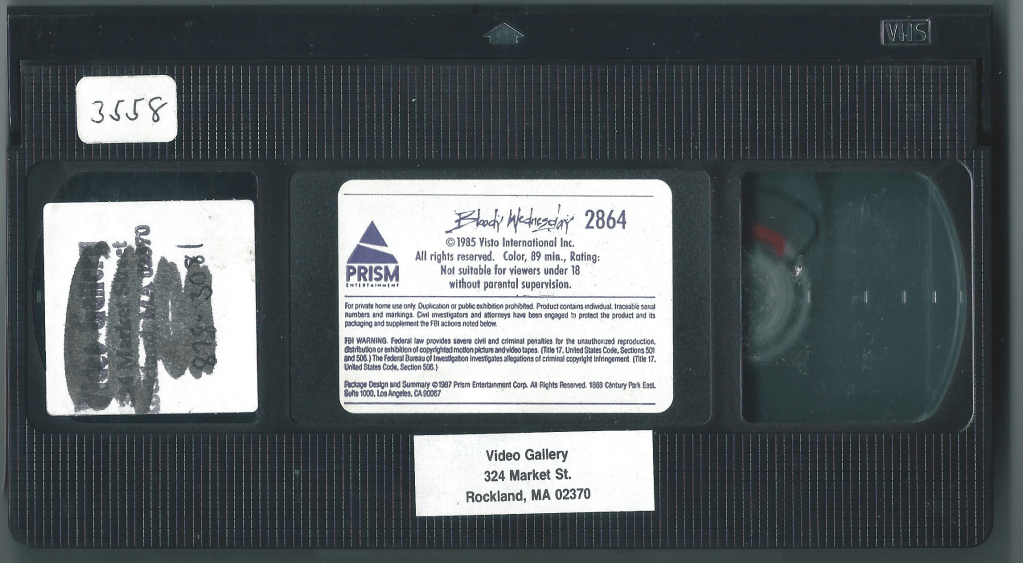
  • Alright, horror hounds and VHS fanatics, prepare to descend into the depths of cinematic obscurity with me! Today’s find is a grimy, forgotten gem from the golden age of video store rentals: “Bloody Wednesday,” a 1988 psychological thriller that’s as unsettling as it is obscure.

    This isn’t your typical slasher flick. “Bloody Wednesday” is a slow burn, a character study of a man descending into madness. We follow Harry, a troubled auto mechanic played with chilling intensity by Raymond Elmendorf, as his life unravels. Divorce, job loss, and a crumbling psyche push him to the brink, culminating in a horrific act of violence.

    Now, this movie is loosely based on the tragic San Ysidro McDonald’s massacre, but don’t expect a factual retelling. “Bloody Wednesday” takes some serious liberties with the true story, crafting a fictionalized narrative that’s more about exploring the dark side of the human mind than recreating a specific event.

    What makes this VHS find so intriguing is its atmosphere. The film is steeped in a sense of dread, with eerie visuals and unsettling sound design. Harry’s descent into madness is portrayed with disturbing realism, and the abandoned hotel where he holes up is like something out of a nightmare. Think “The Shining” meets a grimy, low-budget 80s thriller.

    And let’s talk about that VHS aesthetic. The grainy picture, the tracking lines, the occasional glitch – it all adds to the film’s unsettling vibe. This is a movie that was meant to be experienced on VHS, with all its imperfections and analog charm.

    “Bloody Wednesday” is not an easy watch. It’s bleak, disturbing, and at times, downright uncomfortable. But it’s also a fascinating exploration of mental illness and the dark side of humanity. It’s a movie that stays with you long after the credits roll, a reminder that the most terrifying monsters are often the ones lurking within ourselves.

    So, if you’re a fan of psychological horror, a collector of obscure VHS tapes, or just someone who appreciates a good cinematic deep dive, “Bloody Wednesday” is worth seeking out. Just be prepared for a disturbing and thought-provoking experience. And remember, sometimes the most unsettling stories are the ones that blur the line between fiction and reality. Happy viewing… if you dare.